Flat Feet Care and Custom Orthotics
Support for collapsed arches, from flexible flatfoot in children to progressive changes that develop across adulthood.
Understanding Flat Feet
What flat feet are, how they progress, and the signs to watch for.
Flat Feet: What Patients Should Know
There are several types of flat feet, all of which have one characteristic in common: partial or total collapse (loss) of the arch. Flatfoot is often a complex disorder, with diverse symptoms and varying degrees of deformity and disability.
Other characteristics shared by most types of flatfoot include toe drift, in which the toes and front part of the foot point outward. The heel tilts toward the outside and the ankle appears to turn in. A tight Achilles tendon, which causes the heel to lift off the ground earlier when walking, may make the problem worse. Bunions and hammertoes may develop as a result of a flatfoot.
Flexible flatfoot is one of the most common types. It typically begins in childhood or adolescence and continues into adulthood. It usually occurs in both feet and progresses in severity throughout the adult years. The term flexible means that while the foot is flat when standing (weight bearing), the arch returns when not standing.
As the deformity worsens, the soft tissues (tendons and ligaments) of the arch may stretch or tear and can become inflamed. Pain along the inside of the foot and ankle, swelling, and difficulty standing for long periods are common signs that the condition is progressing.
Patients who notice arch pain, a change in foot shape, uneven shoe wear, or discomfort that worsens with activity should schedule an evaluation. A podiatrist at Artisan Foot and Ankle Specialists can assess the structure and flexibility of the foot and recommend a plan tailored to the type and severity of the flatfoot.
Orthotics, Bracing, and Preventive Care
Because flatfoot progresses over time, preventive care focuses on supporting the arch, reducing strain on the tendons and ligaments, and slowing the changes that lead to bunions, hammertoes, and Achilles tightness. The right combination of support depends on whether the flatfoot is flexible or rigid, how much the arch collapses under weight, and what symptoms are present.
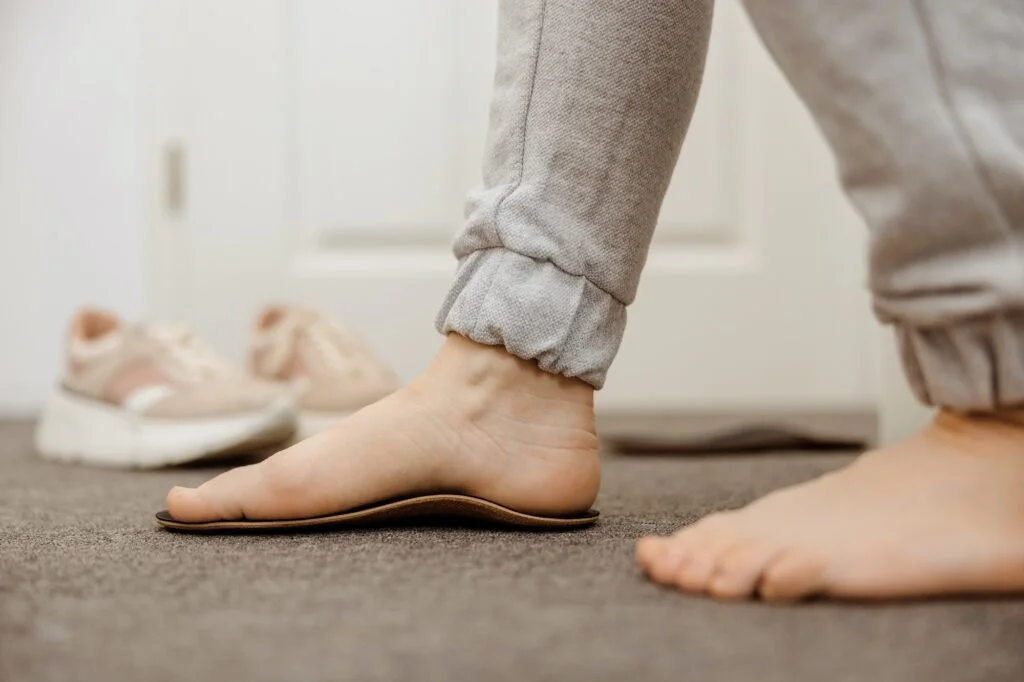
Custom orthotics are shoe inserts made to match the shape of a patient’s foot. For flat feet, orthotics cradle the arch, position the heel, and redistribute pressure so the foot functions in better alignment during walking and standing. Over-the-counter arch supports may help mild cases, but custom devices tend to provide more consistent support for progressive flatfoot.
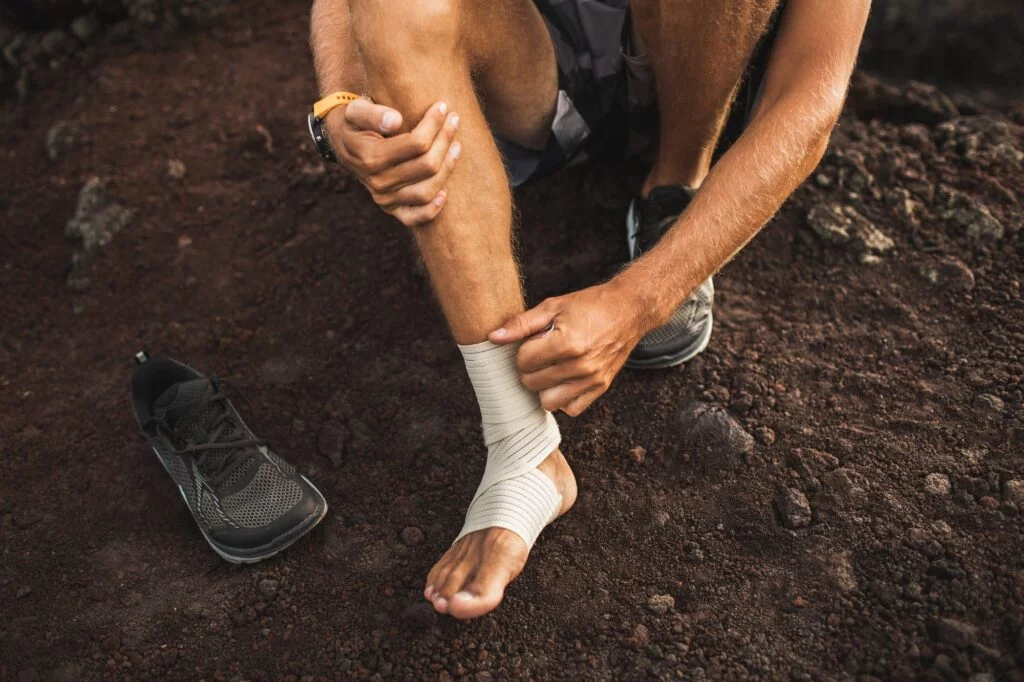
Ankle and foot bracing can help when the deformity is more advanced or when tendons along the inside of the ankle are inflamed. Bracing limits motion that aggravates the arch and is often paired with stretching for the Achilles tendon, since a tight heel cord contributes to arch strain.
Daily habits also matter. Supportive shoes, activity modification during flare-ups, and calf stretching can reduce discomfort. Children with flexible flatfoot are monitored over time, since foot structure continues to develop through the growing years.
An evaluation at Artisan Foot and Ankle Specialists helps determine which combination of orthotics, bracing, and preventive care fits the type and severity of the flatfoot.
Find Flat Feet Care at a Location Near You
Find an Artisan Foot and Ankle Specialists location offering flat feet care.




If your arches are aching, don’t wait to get them looked at.
We’ll evaluate your feet and build a plan that fits how you live and move.