
Foot and Ankle Ulcers Wound Care
Advanced wound care and limb preservation to help ulcers heal, prevent infection, and protect your mobility.
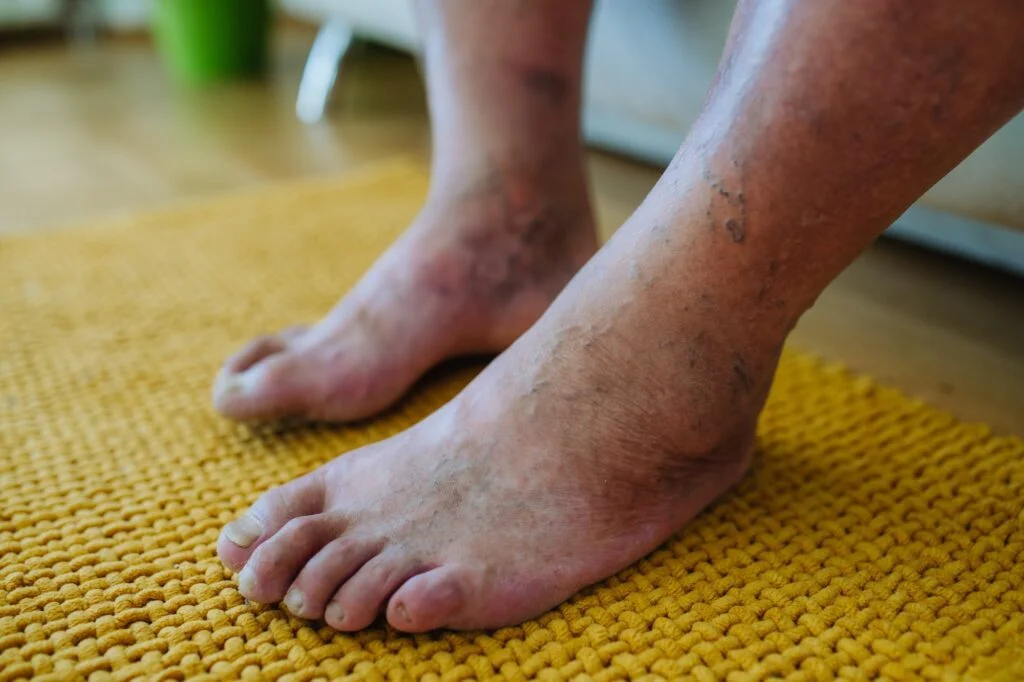
Understanding Foot and Ankle Ulcers
What ulcers are, why they develop, and why prompt care matters so much.
Foot and Ankle Ulcer Care
Having diabetes increases the risk of developing a wide range of foot problems. Furthermore, with diabetes, small foot problems can turn into serious complications. People living with diabetes are prone to having foot problems, often because of two complications of diabetes: nerve damage (neuropathy) and poor circulation.
Neuropathy causes loss of feeling in your feet, taking away your ability to feel pain and discomfort, so you may not detect an injury or irritation. Poor circulation in your feet reduces your ability to heal, making it hard for even a tiny cut to resist infection.
An ulcer is a sore in the skin that may go all the way to the bone. Because of poor circulation and neuropathy in the feet, cuts or blisters can easily turn into ulcers that become infected and will not heal. This is a common, and serious, complication of diabetes and can lead to a loss of the foot, leg or one’s life.
Do not ignore leg pain. Pain in the leg that occurs at night or with a little activity could mean you have a blocked artery. Seek care immediately. If your foot is swollen, red or hot or has changed in size, shape or direction, see your doctor immediately. These issues can worsen very quickly.
Your doctor will perform tests to see if you have lost any feeling or circulation, and will work with you to develop a treatment plan tailored to your needs. If you have a wound that will not heal, or want to be evaluated to prevent complications, contact our office to schedule an evaluation.
Preventing Ulcers and Protecting Your Feet
You play a vital role in reducing complications. Managing diabetes by controlling the blood glucose (especially hemoglobin A1C) is the primary focus to avoid developing complications. Beyond that, daily habits and regular checkups make a significant difference.
Inspect your feet daily. If your eyesight is poor, have someone else do it for you. Look for cuts, scrapes, redness, drainage, swelling, bad odor, rash, discoloration, loss of hair on toes, injuries, or nail changes such as deformed, striped, yellowed, thickened, or not growing nails. If your foot is swollen, red or hot, or has changed in size, shape or direction, see your doctor immediately.
Avoid what we call bathroom surgery. Never trim calluses or corns yourself, and do not use over-the-counter medicated pads. If you have ingrown nails, hard or thickened nails, or reduced feeling in your feet, your toenails should be properly trimmed by a professional.
Protect your feet throughout the day. Do not go barefoot. Wear shoes indoors and outdoors, and if you dislike closed shoes, choose sandals that offer some protection. Shake out your shoes before putting them on, and make sure your socks are not bunched up. Keep floors free of sharp objects.
Many new surgical techniques are available to save feet and legs, including joint reconstruction and wound healing technologies. Your foot and ankle doctor works with other healthcare providers to prevent and treat complications, so regular checkups and prompt evaluation of small problems can make all the difference.
Wound Care and Limb Preservation Near You
Find an Artisan Foot and Ankle Specialists location offering ulcer and limb preservation care.




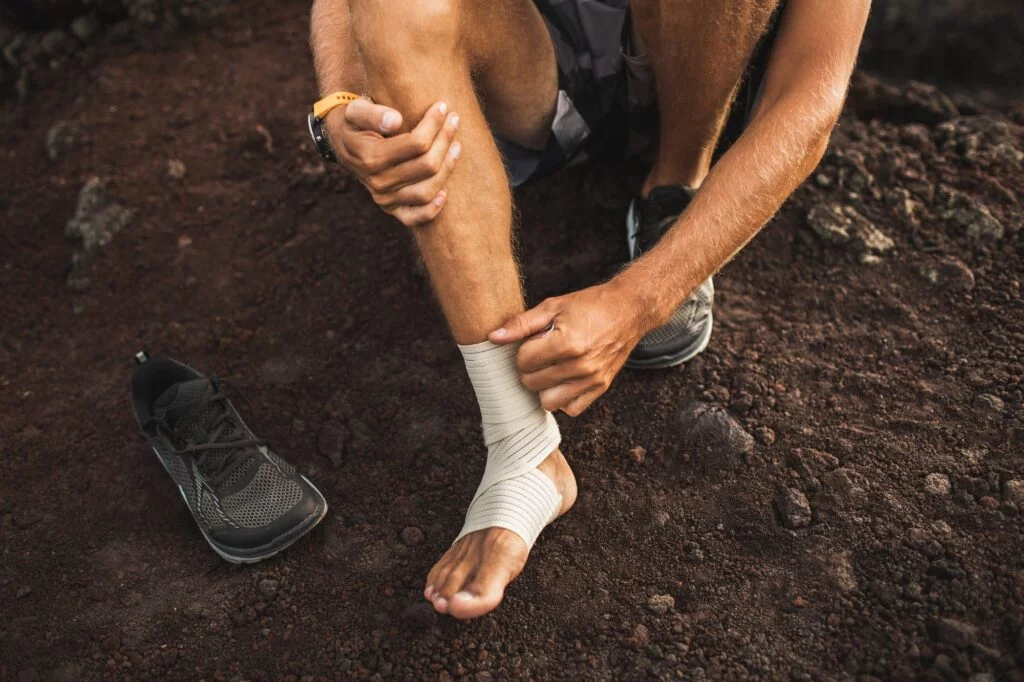
Don’t wait on a wound that isn’t healing, let’s get you evaluated today.
We’re here to help protect your feet, your mobility, and your health.