
Plantar Fasciitis and Heel Pain Care
Relief from morning heel pain, arch aches, and stubborn inflammation with treatment tailored to your feet.
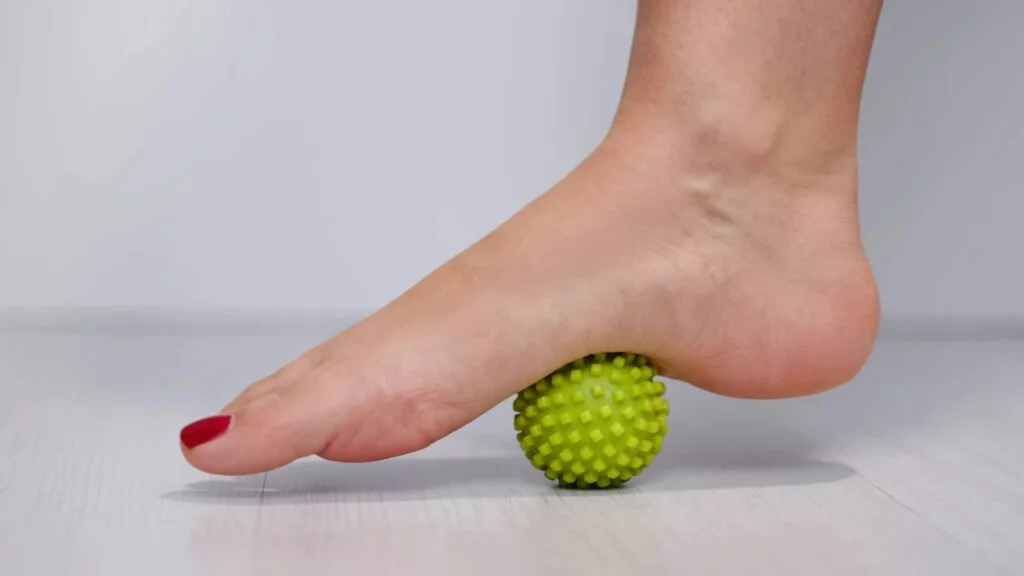
What You Need To Know
Understanding heel pain, its causes, and how we help you find lasting relief.
Understanding Heel Pain and Plantar Fasciitis
Heel pain is a problem that almost everyone suffers from at some stage in their life. The severity of the pain will vary from case to case and will also depend on the cause of the problem. Our feet are made up of a complex system of bones, muscles, ligaments and tendons that pull and stretch, expand and contract to keep us moving. Over time, this continuous work can put pressure on some of these areas, causing heel pain.
Plantar fasciitis is the medical term for inflammation of the plantar fascia located on the soles of your feet. This tissue provides support to the arch of your foot and can stretch or tear from repetitive stress, leading to inflammation. In many cases, plantar fasciitis only affects one foot, though symptoms can occur on both.
Common symptoms include sharp heel pain when first stepping out of bed, a stabbing sensation in the bottom of the heel, aching in the arches, and increased pain after long periods of standing or driving. Contributing causes include flat feet or high arches, excess weight, tight calf muscles, running and jumping activities, and shoes with inadequate support.
To determine the underlying cause of your heel pain, our providers begin with a careful review of your symptoms and medical history. You have an examination of your foot and may require diagnostic imaging such as digital X-rays, ultrasound, or MRI. If left untreated, plantar fasciitis can become chronic, so we encourage you to schedule an evaluation as soon as symptoms appear.
Treatment Options and Prevention
Many types of heel pain improve with non-surgical treatments. Orthotics, either over-the-counter or customized arch supports, provide proper foot, heel, and ankle alignment. Supportive shoes should bend near the toes, have a solid heel counter, and resist twisting motion. Physical therapy using electrostimulation, therapeutic ultrasound, hydrotherapy, stretching, massage, and foot taping helps reduce pain and propagate healing.
We may also recommend corticosteroid injections to reduce pain and inflammation, often in conjunction with other therapies. Taping protects the injured plantar fascia and restricts motion, and many patients learn to tape themselves. We recommend KT Tape, which is easily purchased online. Some patients also respond well to compression bandages and wraps.
Night splints are worn at night to passively stretch the calf, Achilles tendon, and arch, so there is reduced tension to the heel when the patient takes the first step in the morning. These devices are simple to use and very effective. For severe cases, your podiatrist offers extracorporeal shockwave therapy, the Tenex procedure, and surgery when conservative treatments have not provided relief.
Prevention plays an important role in long-term recovery. Wearing supportive, comfortable footwear and stretching can help prevent plantar fasciitis. Stretches focused on your feet and calves reduce stress on the plantar fascia. With early diagnosis and consistent care, most patients recover well and return to the activities they enjoy.
Find Heel Pain Care Near You
Visit one of our convenient locations for expert plantar fasciitis and heel pain treatment.





Don’t let heel pain slow you down any longer, let’s get you back on your feet
We’re here to help you heal. Call or book online today to start feeling better.